轉載自澳門日報
文/黃庭熾(澳門·第十二屆澳門城市藝穗節駐節藝評人)
澳門藝穗節號稱“全城舞台·處處觀衆·人人藝術家”,水分不少我們當然心知肚明。
上月十三日在連勝街no.47 art space的演出,再拒劇團的《接下來,是一些些消亡(包括我自己的)》,倒是讓人有類同的感覺。觀衆穿過藝文空間的辦公場地,參觀設在梯間再拒劇團的歷年演出劇照及簡介,後被帶上天台,一齣又一齣地看回地上——這過程中,連勝街no.47本身的“雜物”與裝置、展覽相映成趣,像隱匿茂密叢林裡虎視眈眈的一雙眼睛,靜靜地瞥見觀衆竭力地假裝不受這裡生活場景和演出空間錯置的影響,而這異象是有喜感的。這和往時在此地看演出不同,今天連勝街no.47一體成另一棟建築(而不是劏房似的幾層空間)。
總共……天
率先上天台看的是王詩琪的作品《總共……天》。第一印象看到彷彿蜘蛛俠驚奇再起似的石兵八陣——本應空曠的天台被佈置成蛛網、鳥巢、蛋室似的擁擠空間,觀衆必須穿越荆棘叢方可入座。沒有天花板的天台被剪為三層,最上籠罩着綿繩織就的蜘蛛網,中間一層為蛋白色的紗網,下面是一張保鮮膜樣的透明塑膠覆蓋在地上,供人或坐或臥、或跪或躺。
紗網和塑膠中間的間隔還不夠一個高個子坐着觀看,所以坐着的人就好玩地使紗網上長出一個瘤。懶洋洋、或者辛勤工作了一天疲憊的觀衆,索性臥床似地側着頭觀看——雖然場地被佈置成各種“門檻”或裝置,但空間中討價還價的餘地,反倒使現場成為最自由的空間。
首先聽到聲音,然後是光,最後輪到女人蠕動,從棉花團中掙脫。錄音在開放的現場,像個缺乏眼神接觸的大學敎授望着天花板朗讀課文,留給觀衆摸魚的尺度——直可置若罔聞。旁白被分解出去,女人的動作仍然是好看的。看着她從紗布中間破洞中破繭而出,做着細緻的動作、吹吹棉花,十足般配這人造空間、侷促的調調。
最後,我看着密雲的天空,想知道她們有沒有雨天備案。
妳最愛的晦暗和妳最愛的意識
這個劇展是很環保的,自天台下來我們旋即被帶到另一個沒有光的房間,就是本來的澳門劇場圖書室。
晦暗的澳門劇場圖書室,佈滿地墊,觀衆以一個甜甜圈形狀的家私為圓心席地而坐。從一個以天為蓋的浩瀚空間,忽然被帶到密室似的場地,一開始不適應。觀衆待在原地動輒得咎,宛如蛛網上的無辜昆蟲,倏忽來去的聲音像桀桀怪笑的兇猛蜘蛛;又像某種邪敎的末日集會,靜靜地聆聽着莫測高深敎主的嘶嘶耳語,準備引火自焚。各種晦暗的想像在某個臨界點被打破,但那是後話。而這之前,蟄伏的觀衆忽爾變成飛蛾,都具備了趨光性。哪裡有光,眼睛就羊群一樣簇擁過去——讓我想起某位老師曾經說到,70%的人通過視覺學習,20%的人用聽覺,10%的人由觸覺——劇場其實是個藝術家和觀衆角力的地方,誰最終可以握有稀缺的注意力?
在眞正可以融入這個演出之後,視線都不知道可以放在哪裡。觀衆面面相覷,假裝沒有看到對方;我看見有觀衆寫筆記,揣想對方可能是個藝評人回家有交作業壓力;環顧劇場圖書室圍城似的書架後,我的視線落在藝術家macbook打開的華麗軟體上,他就是用這個工具天神似地灌輸我們聲音、主宰我們的注意力,感覺上很pro很強大。與此同時,演出的整個氣氛早已經不同了。
開頭乾涸的聲音在某個臨界點被灌漑了,變得茂密而豐盈。就像火柴被劃亮,我們一下子被聲音托起,地心引力被中和,在綿密的聲音裡我們恍若置身啫喱狀的宇宙裡。聲音在漫長的競選過程裡擊敗了對手邏輯,登上了注意力之王的寳座。晦暗的劇場像未拆開的禮物,一旦掀開帷幕,即時異彩紛呈。一下子被帶到茂盛的雨林,下一秒被丢到汪洋大海,封閉的劇場被清脆的聲音置換成清澈的晴空——它最後變成了一座聲音交錯的城堡。
入夜
曾彥婷的作品帶來和前兩齣作品截然不同的明亮光線。舞台給人的印象是森林裡一所廢棄的學校,橫七豎八的椅子、一地泥土和枯葉,以及錯置的懸繩。
舞台沒有人,卻有人生活的痕跡。灑到了地上去的紅酒、開啟後的枱燈、掛掉的電話……在徐緩的音樂、柔和的燈光下,沒有人的這個地方發生的一切一切,都顯得耐人尋味。
事件慵懶地發生,一項一項地,像被風翻開一頁一頁的立體書,令人想起自己小時候上好發條的音樂盒。時光在現場和煦的氣氛下偸偸溜走,像節假日沒有事務的午後,帶人去領略創作者設計上的巧思,而空間中挪動的物件則顯示出操作人細膩的手法。
而藝術家正是用一個織布機那樣的工具去使觀衆看到眼前這一切發生。所以當時所看到的並不是空間中物件的移動,而是有一個人決定動用哪一根繩、她打算用強或弱的力道,以及如何移動——藝術家佈置這個空間時的動線與軌跡。
懸繩後來變得不只是工具,同時意味着兩端的關係、過去與現在的因緣。
小結
連勝街no.47 art space一夜間變成了小社會。從黝黑、晦暗到黎明,藉幾齣作品折射出光譜各端的心靈維度。
2013年2月6日 星期三


2013年1月4日 星期五
2013年1月再拒成員近況更新

賀!再拒劇團的燈光小四考上公費留學, 即將前往英國進修的她也在今天迎接她的生日。
讓我們一起祝福她鵬程萬里, 也附上The Smiths的歌, 祝大家新的一年心想事成!
"...So for once in my life
Let me get what I want
Lord knows, it would be the first time"
2012年12月7日 星期五
【劇評】Confronting Capitalism as a Global Theme in the F/T Emerging Artists Program
轉載自 Blog Camp in F/T, 25/11/2012
By Amanda Waddell
Two productions in particular in the F/T Emerging Artists Program, “permanent value” and “American Dream Factory”, boldly chose to confront capitalism and the commoditization of humanity as an overriding theme.
First, I’d like to look at how the structure of the first half of “permanent value” approached this, and then how “American Dream Factory” created a tableau of images and short scenes that played with the idea of domineering American culture and the degradation of human value brought about by industrialization and globalization.

What first intrigued me about syudan:hokoukuren’s production “permanent value” was the premise of the first half of the production. Audience members were refunded 500 yen from their initial ticket price in exchange for the chance to “direct” one of the actors. At first, the audience was strapped for ideas, which considerably slowed down the pace of the performance. However, the long unsettling silences were by no means the fault of the troupe, which even provided a “sample menu” of orders and directions to chose from, but rather the uncertainty of an audience that was suddenly given direct monetary power over the actor onstage. But once audience members became more familiar and comfortable with the process, people began to raise their hands and pay for the chance to order the actor around. While the lone actor onstage struggled to meet everyone’s demands (from perform the scene quietly, climb a ladder, perform outside the theater, etc.), other performers also joined in, claiming that they could satisfy the audiences’ needs better.
The performance was less of a comment on the whole capitalist system as a direct example of the commoditization of art and entertainment. Although as audience members we weren’t allowed to determine how much the actor’s efforts were worth, like a street performer, the audience was exposed to the bare bones transaction of entertainment for money. In this capitalistic nightmare, the joy of creating art is replaced with the desperate attempt to earn as much money as possible, no matter how small. Also, like a street performer, the actors all carried their earnings in a cup.
In the second half of the show, using the money they had earned from their efforts in the first half, the actors began to order each other around, dropping a coin in their respective cups. The continual sound of coins clinking in the glass was a constant reminder that this world is one that is built on money. Everything’s value is determined by how much you are willing to pay for pleasure and entertainment.
Against Again Troupe’s “American Dream Factory” is a nightmarish world of images and short scenes saturated with American culture and iconography. This all-encompassing hijacking of Taiwanese culture is the result of American imperialism spreading around the world via capitalism. The performance did occasionally drag, but nonetheless, there were powerful scenes with interludes in the life of fast food chain McDonald’s mascot character, Ronald McDonald. By depicting his rather humble daily routine, the audience was able to relate to him as another human trapped in the everyday hustle and bustle.
Ironically, this Ronald was also a fan of Mickey Mouse and religiously watched a Mickey Mouse cartoon every morning, not to mention owning a pair of matching Mickey Mouse slippers. An American icon like Ronald McDonald consuming another American icon’s merchandise depicts a grotesquely self-contained capitalist society that claims to fulfill your every need.
Towards the end of the performance, Ronald came home from work and sat down at the dinner table with a takeaway from his fast food restaurant. As he watched a program on the industrialization of America, he started choke down the burger. However being unable to stomach the filth, he continually regurgitated his food, which then drives him to the brink of insanity. These images along with others suggest the inability to escape American cultural dominance and a world that turns everything into a commodity. As an American I was able to sympathize with the bombardment and inescapability of capitalism. Everything has a price.
In regards to the language barrier, the performance was held in Chinese with Japanese surtitles. An English translation of the script was also available at the front desk. However, since the production was predominantly composed of images and short vignettes, dialogue between characters appeared to play a secondary role to the images presented onstage. For example, in one scene a department store customer berates a young saleswoman for selling condoms in a public space. When another young woman comes to her rescue and chases the irate male customer away, the two blow up a condom like a balloon and play air volleyball. Without necessarily understanding every word, these short scenes were powerful enough on their own due to the strong imagery the viewer was left to decipher. In short, “American Dream Factory” was a perfect example of a performance’s potential to be universally accessible with or without surtitles through imagery.
By Amanda Waddell
Two productions in particular in the F/T Emerging Artists Program, “permanent value” and “American Dream Factory”, boldly chose to confront capitalism and the commoditization of humanity as an overriding theme.
First, I’d like to look at how the structure of the first half of “permanent value” approached this, and then how “American Dream Factory” created a tableau of images and short scenes that played with the idea of domineering American culture and the degradation of human value brought about by industrialization and globalization.

What first intrigued me about syudan:hokoukuren’s production “permanent value” was the premise of the first half of the production. Audience members were refunded 500 yen from their initial ticket price in exchange for the chance to “direct” one of the actors. At first, the audience was strapped for ideas, which considerably slowed down the pace of the performance. However, the long unsettling silences were by no means the fault of the troupe, which even provided a “sample menu” of orders and directions to chose from, but rather the uncertainty of an audience that was suddenly given direct monetary power over the actor onstage. But once audience members became more familiar and comfortable with the process, people began to raise their hands and pay for the chance to order the actor around. While the lone actor onstage struggled to meet everyone’s demands (from perform the scene quietly, climb a ladder, perform outside the theater, etc.), other performers also joined in, claiming that they could satisfy the audiences’ needs better.
The performance was less of a comment on the whole capitalist system as a direct example of the commoditization of art and entertainment. Although as audience members we weren’t allowed to determine how much the actor’s efforts were worth, like a street performer, the audience was exposed to the bare bones transaction of entertainment for money. In this capitalistic nightmare, the joy of creating art is replaced with the desperate attempt to earn as much money as possible, no matter how small. Also, like a street performer, the actors all carried their earnings in a cup.
In the second half of the show, using the money they had earned from their efforts in the first half, the actors began to order each other around, dropping a coin in their respective cups. The continual sound of coins clinking in the glass was a constant reminder that this world is one that is built on money. Everything’s value is determined by how much you are willing to pay for pleasure and entertainment.
Against Again Troupe’s “American Dream Factory” is a nightmarish world of images and short scenes saturated with American culture and iconography. This all-encompassing hijacking of Taiwanese culture is the result of American imperialism spreading around the world via capitalism. The performance did occasionally drag, but nonetheless, there were powerful scenes with interludes in the life of fast food chain McDonald’s mascot character, Ronald McDonald. By depicting his rather humble daily routine, the audience was able to relate to him as another human trapped in the everyday hustle and bustle.
Ironically, this Ronald was also a fan of Mickey Mouse and religiously watched a Mickey Mouse cartoon every morning, not to mention owning a pair of matching Mickey Mouse slippers. An American icon like Ronald McDonald consuming another American icon’s merchandise depicts a grotesquely self-contained capitalist society that claims to fulfill your every need.
Towards the end of the performance, Ronald came home from work and sat down at the dinner table with a takeaway from his fast food restaurant. As he watched a program on the industrialization of America, he started choke down the burger. However being unable to stomach the filth, he continually regurgitated his food, which then drives him to the brink of insanity. These images along with others suggest the inability to escape American cultural dominance and a world that turns everything into a commodity. As an American I was able to sympathize with the bombardment and inescapability of capitalism. Everything has a price.
In regards to the language barrier, the performance was held in Chinese with Japanese surtitles. An English translation of the script was also available at the front desk. However, since the production was predominantly composed of images and short vignettes, dialogue between characters appeared to play a secondary role to the images presented onstage. For example, in one scene a department store customer berates a young saleswoman for selling condoms in a public space. When another young woman comes to her rescue and chases the irate male customer away, the two blow up a condom like a balloon and play air volleyball. Without necessarily understanding every word, these short scenes were powerful enough on their own due to the strong imagery the viewer was left to decipher. In short, “American Dream Factory” was a perfect example of a performance’s potential to be universally accessible with or without surtitles through imagery.
2012年11月27日 星期二
About American Dream Factory / アメリカドリ-ム工場について
導演/ 黃思農
「28天的打工潛伏,使我受到了強烈的震撼。這並非因為明白了他們究竟為何而死,而是知悉了他們如何活著。」
─《與機器相伴的青春和命運:潛伏富士康28天手記》, 《南方周末》實習生 劉志毅
<美國夢工廠>這齣戲是再拒劇團多年來對新世代處境的思考與提問, 透過10段“夢境“,映照被稱之為草莓族、尼特族、失落的一代、玻璃青年的世界。這些成長於解嚴後台灣社會,被統稱為七年級生的一代,相當巧合的與世界各地年齡相近的青年一樣,被各種帶有批判與貶抑的辭彙所命名,但他們亦同時像是一群班雅明筆下,因為拒絕面向那個被稱之為"進步"的未來, 而堅定的背轉身來的天使。
在我們台北場的演出過程中,這齣關於異化的戲卻無意間和一個沉重的社會事件發生連結,遠在對岸的深圳,一群年輕人因為富士康工廠的壓迫,接連的跳樓身亡,而台灣的立委、政客和大眾傳媒卻無視於自殺潮,不斷發表維護台灣商人的反動言論。
<美國夢工廠>這齣戲所希望演現的,是我們的存在價值與勞動的意義,如何被資本所消耗殆盡,是我們的夢想與青春,如何被單一化的社會期望所化約? 亦是在一個想像力與感受力漸趨貧乏、時間感斷裂的年代, 作為一個反全球化的文本, 我們這個世代與時代的關係又是甚麼:
我們是誰?
我們身處何方?
我們為什麼要過這樣的日子?
我們如何生存?
這是過去劇場的提問,也將是未來劇場的提問。正是在這樣的提問裏,我們重新理解劇場的本質 ── 一種對「當下」的渴求──這個「當下」包含了過去、現在與未來連綿不絕的時間。
請永遠記得那些死難的青年。如果所有的未來如John Berger所言,都是建構在死者的想像之中,所謂的「當下」,亦是曾經死者的想像。
未來的劇場必須讓我們更逼近這樣的時間,我們在此逼視死亡,因為它關乎我們每天的生存。
アメリカドリ-ム工場について
「二十八日間のアルバイトで、多大なショックを受けた。これは彼らがいったいどうやって死に至ることが分かったのではなく、彼らがどうやって生きていることが分かったからだ。」
《機械と伴う青春と運命:フォックスコンで潜伏の二十八日間の手記》 《南方周末》実習生劉志毅
ここ数年、再拒劇団が注目しているのは若者世代をめぐる問題への思索と質問。その結晶はニート族や失われた世代などと呼ばれる青年の世界を写り出そうとする「アメリカドリ-ム工場」という作品だ。「七年級生」とよばれる台湾の若者世代は戒厳解除後の時代に生まれ、世界中の青年と同様に社会的に蔑みを受け、差別用語で名付けられている。しかし、彼らは又ベンヤミンが書いた進歩という未来に背中を向けた新しい天使のようだ。
台北での公演期間、この疎外に関わる芝居は不意にある社会事件に繋がった。それは、深圳のフォックスコン工場で起る従業員の連続自殺事件だった。だが、この事件に対して、台湾の議員、政治家とマッスメディアは無視しつつ、資本家を一辺倒に支持するように唱えた。
アメリカドリーム工場という作品が表現しようとするのは、われらの存在価値と労働の意味がいかに資本に従属させられて消していくかということと、われらの夢と青春がいかに単一化した社会の期待に決められるかということだ。この作品は反グローバルの作品として、想像力と感覚力が乏しくなっている今の時代にどのように関わるかが問い続けたいものだ。
我らは誰なのか?
我らは何処にいるのか?
我らはなぜこのような生き方をしているか?
我らはいかに生きていくか?
これは昔の劇場が問う質問であり、未来の劇場が問う質問でもある。このような質問が問われるうちに劇場の本質が迫ってきた。それは「いま」への追求。その「いま」は過去と現在、そして未来へと繋がる連続の時間だ。 死んだ青年たちのことを永遠に覚えてください。もしジョンバージャーの言ったように、未来は死者の想像によって成立されるとするならば、いわゆる「いま」も死者の想像だったに違いない。
未来の劇場はこのような時間へと迫っていかなければならない、死亡をじっと見ていなければならない。それはわれわれの毎日の生存と関わるからだ。
About American Dream Factory
The 28-day undercover work made a strong impact on me. It wasn't about finding out what they died for, but rather to learn how they lived.
-The Fate of Youth in the Company of Machinery: 28 Days Undercover at Foxconn
Liu Zhi Yi, Southern Weekend
American Dream Factory is the culmination of Against-Again Troupe’s investigations into the living conditions of our generation. Realized in the form of ten “dreams,” the play depicts the world of the so-called Strawberry Generation, also known to different cultures as the Lost Generation, Glass Youth, or NEET (Not in Employment, Education or Training). The young people born in the 80s in Taiwan, who grew up in the post-martial-law Taiwan society, have coincidentally been labeled with denigrating terms just like the young people from all over the world. These individuals are like Walter Benjamin’s Angel of History, forever resisting the storm of progress, with their backs turned towards the future.
During our premiere in Taipei, our play about alienation coincided with a tragic social incident across the strait - in the Foxconn factories in Shenzhen, young workers committed suicide in response to their oppressive working environments. Heedless of the suicidal trend, politicians and media in Taiwan continued to speak for the benefits of Taiwanese investors.
What American Dream Factory hopes to convey, is how the value of our existence and the meaning of our labour are depleted by capital; and how our youth and dreams are simplified by homogeneous social expectations. As a text for anti-globalization in an age where our feelings have become meager and our sense of time is fractured, this play digs into the relationship between our generation and our time.
Who are we?
Where are we?
Why do we live the way we do?
How do we survive?
These are questions asked by theater artists past present and future. Within these questions, we try to understand the essence of theater - a thirst for the “now.” And this “now” is also a continuum of past, present and future.
Please remember the young people who died. If the future is as John Berger said - the imagination of the dead, than the “now” is also the imagination of those who died.
The theater of the future must take us closer to this sense of time. We stare at death, for it is about our everyday survival.
Summary of Scenes
Track 1. Born this way
Track 2. Mr. Macdonald’s morning
Track 3. Disappear: Dreams of a Salesman
Track 4. You are what you want
Track 5. Superstar
Track6. Compulsion to repeat
Track 7. City of Light
Track 8. Mr. Macdonald’s Nightmare
Track 9. We are the world
Track 10. Across the Universe- Dreams about revolution
-->
「28天的打工潛伏,使我受到了強烈的震撼。這並非因為明白了他們究竟為何而死,而是知悉了他們如何活著。」
─《與機器相伴的青春和命運:潛伏富士康28天手記》, 《南方周末》實習生 劉志毅
<美國夢工廠>這齣戲是再拒劇團多年來對新世代處境的思考與提問, 透過10段“夢境“,映照被稱之為草莓族、尼特族、失落的一代、玻璃青年的世界。這些成長於解嚴後台灣社會,被統稱為七年級生的一代,相當巧合的與世界各地年齡相近的青年一樣,被各種帶有批判與貶抑的辭彙所命名,但他們亦同時像是一群班雅明筆下,因為拒絕面向那個被稱之為"進步"的未來, 而堅定的背轉身來的天使。
在我們台北場的演出過程中,這齣關於異化的戲卻無意間和一個沉重的社會事件發生連結,遠在對岸的深圳,一群年輕人因為富士康工廠的壓迫,接連的跳樓身亡,而台灣的立委、政客和大眾傳媒卻無視於自殺潮,不斷發表維護台灣商人的反動言論。
<美國夢工廠>這齣戲所希望演現的,是我們的存在價值與勞動的意義,如何被資本所消耗殆盡,是我們的夢想與青春,如何被單一化的社會期望所化約? 亦是在一個想像力與感受力漸趨貧乏、時間感斷裂的年代, 作為一個反全球化的文本, 我們這個世代與時代的關係又是甚麼:
我們是誰?
我們身處何方?
我們為什麼要過這樣的日子?
我們如何生存?
這是過去劇場的提問,也將是未來劇場的提問。正是在這樣的提問裏,我們重新理解劇場的本質 ── 一種對「當下」的渴求──這個「當下」包含了過去、現在與未來連綿不絕的時間。
請永遠記得那些死難的青年。如果所有的未來如John Berger所言,都是建構在死者的想像之中,所謂的「當下」,亦是曾經死者的想像。
未來的劇場必須讓我們更逼近這樣的時間,我們在此逼視死亡,因為它關乎我們每天的生存。
アメリカドリ-ム工場について
「二十八日間のアルバイトで、多大なショックを受けた。これは彼らがいったいどうやって死に至ることが分かったのではなく、彼らがどうやって生きていることが分かったからだ。」
《機械と伴う青春と運命:フォックスコンで潜伏の二十八日間の手記》 《南方周末》実習生劉志毅
ここ数年、再拒劇団が注目しているのは若者世代をめぐる問題への思索と質問。その結晶はニート族や失われた世代などと呼ばれる青年の世界を写り出そうとする「アメリカドリ-ム工場」という作品だ。「七年級生」とよばれる台湾の若者世代は戒厳解除後の時代に生まれ、世界中の青年と同様に社会的に蔑みを受け、差別用語で名付けられている。しかし、彼らは又ベンヤミンが書いた進歩という未来に背中を向けた新しい天使のようだ。
台北での公演期間、この疎外に関わる芝居は不意にある社会事件に繋がった。それは、深圳のフォックスコン工場で起る従業員の連続自殺事件だった。だが、この事件に対して、台湾の議員、政治家とマッスメディアは無視しつつ、資本家を一辺倒に支持するように唱えた。
アメリカドリーム工場という作品が表現しようとするのは、われらの存在価値と労働の意味がいかに資本に従属させられて消していくかということと、われらの夢と青春がいかに単一化した社会の期待に決められるかということだ。この作品は反グローバルの作品として、想像力と感覚力が乏しくなっている今の時代にどのように関わるかが問い続けたいものだ。
我らは誰なのか?
我らは何処にいるのか?
我らはなぜこのような生き方をしているか?
我らはいかに生きていくか?
これは昔の劇場が問う質問であり、未来の劇場が問う質問でもある。このような質問が問われるうちに劇場の本質が迫ってきた。それは「いま」への追求。その「いま」は過去と現在、そして未来へと繋がる連続の時間だ。 死んだ青年たちのことを永遠に覚えてください。もしジョンバージャーの言ったように、未来は死者の想像によって成立されるとするならば、いわゆる「いま」も死者の想像だったに違いない。
未来の劇場はこのような時間へと迫っていかなければならない、死亡をじっと見ていなければならない。それはわれわれの毎日の生存と関わるからだ。
About American Dream Factory
The 28-day undercover work made a strong impact on me. It wasn't about finding out what they died for, but rather to learn how they lived.
-The Fate of Youth in the Company of Machinery: 28 Days Undercover at Foxconn
Liu Zhi Yi, Southern Weekend
American Dream Factory is the culmination of Against-Again Troupe’s investigations into the living conditions of our generation. Realized in the form of ten “dreams,” the play depicts the world of the so-called Strawberry Generation, also known to different cultures as the Lost Generation, Glass Youth, or NEET (Not in Employment, Education or Training). The young people born in the 80s in Taiwan, who grew up in the post-martial-law Taiwan society, have coincidentally been labeled with denigrating terms just like the young people from all over the world. These individuals are like Walter Benjamin’s Angel of History, forever resisting the storm of progress, with their backs turned towards the future.
During our premiere in Taipei, our play about alienation coincided with a tragic social incident across the strait - in the Foxconn factories in Shenzhen, young workers committed suicide in response to their oppressive working environments. Heedless of the suicidal trend, politicians and media in Taiwan continued to speak for the benefits of Taiwanese investors.
What American Dream Factory hopes to convey, is how the value of our existence and the meaning of our labour are depleted by capital; and how our youth and dreams are simplified by homogeneous social expectations. As a text for anti-globalization in an age where our feelings have become meager and our sense of time is fractured, this play digs into the relationship between our generation and our time.
Who are we?
Where are we?
Why do we live the way we do?
How do we survive?
These are questions asked by theater artists past present and future. Within these questions, we try to understand the essence of theater - a thirst for the “now.” And this “now” is also a continuum of past, present and future.
Please remember the young people who died. If the future is as John Berger said - the imagination of the dead, than the “now” is also the imagination of those who died.
The theater of the future must take us closer to this sense of time. We stare at death, for it is about our everyday survival.
Summary of Scenes
Track 1. Born this way
Track 2. Mr. Macdonald’s morning
Track 3. Disappear: Dreams of a Salesman
Track 4. You are what you want
Track 5. Superstar
Track6. Compulsion to repeat
Track 7. City of Light
Track 8. Mr. Macdonald’s Nightmare
Track 9. We are the world
Track 10. Across the Universe- Dreams about revolution
-->
2012年11月21日 星期三
American Dream Factory in Tokyo Festival (F/T)
Summary
Taiwan-based Against Again Troupe create theatre themed around sexuality and identity. Here they focus on those born after the 1980 in Taiwan, through 12 stories revealing a generation both liberated in their lifestyles and weak in the face of social pressure. How will their youth and their dreams be swallowed by capitalism? From such diverse questions, we glean the existential values of the young.
Video

Ticket On sale from 10:00 on September 15 (Sat), 2012
Prices: Unreserved seating
Advance ¥2,500 (Day + ¥500)
Students ¥2,500 / High School Students and Under ¥1,000 (Show student ID for advance & day tickets)
The price for Student Tickets was previously published incorrectly. We apologize for the confusion and inconvenience caused.
Available from: F/T Ticket Center (Tel./Online); Tokyo Metropolitan Theatre Box Office.
Valid for Emerging Artists Program 5 Performance Pass, Pair Tickets, Group Tickets
Ticket info: http://www.festival-tokyo.jp/en/ticket/
Schedule
/22 (Thu) 19:30 11/23 (Fri) 17:00* 11/24 (Sat) 17:00
Duration: 90 min. (TBC) The box office opens 1 hour prior to the start of the performance. The doors open 30 minutes prior to the start of the performance. Performed in Chinese with Japanese surtitles (English script available Schedule.
Acess
Theater Green Box in Box THEATER
2-20-4 Minami-Ikebukuro, Toshima-ku
Tel: 03-3983-0644
JR Ikebukuro Station: 6 minutes walk from east exit,
2 minutes walk from exit 39 (underground passage).
5 minutes walk from Higashi-Ikebukuro Station, Tokyo Metro Yurakucho Line.
7 minutes walk from Zoshigaya Station, Toden Arakawa Line.
map: http://www.festival-tokyo.jp/en/access/
Taiwan-based Against Again Troupe create theatre themed around sexuality and identity. Here they focus on those born after the 1980 in Taiwan, through 12 stories revealing a generation both liberated in their lifestyles and weak in the face of social pressure. How will their youth and their dreams be swallowed by capitalism? From such diverse questions, we glean the existential values of the young.
Video
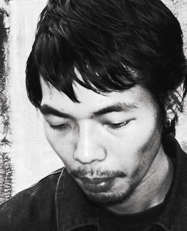
Szenung Huang/ Against Again Troupe
Director, Composer
For many years he has worked as a theatre director, curator,
composer, visual designer, and live musician in many art festivals and
performances in Taiwan. He has acted as resident critic at Taipei Fringe
Festival and Macao Fringe Festival. He is also a writer for
non-mainstream art periodicals and online magazines. At the age of
twenty he set up Against Again Troupe with friends in the field. Through
the theatre, he unremittingly examines the condition of contemporary
young people in our age of globalization, with a focus on class, gender,
identity and survival.Ticket On sale from 10:00 on September 15 (Sat), 2012
Prices: Unreserved seating
Advance ¥2,500 (Day + ¥500)
Students ¥2,500 / High School Students and Under ¥1,000 (Show student ID for advance & day tickets)
The price for Student Tickets was previously published incorrectly. We apologize for the confusion and inconvenience caused.
Available from: F/T Ticket Center (Tel./Online); Tokyo Metropolitan Theatre Box Office.
Valid for Emerging Artists Program 5 Performance Pass, Pair Tickets, Group Tickets
Ticket info: http://www.festival-tokyo.jp/en/ticket/
Schedule
/22 (Thu) 19:30 11/23 (Fri) 17:00* 11/24 (Sat) 17:00
Duration: 90 min. (TBC) The box office opens 1 hour prior to the start of the performance. The doors open 30 minutes prior to the start of the performance. Performed in Chinese with Japanese surtitles (English script available Schedule.
Acess
Theater Green Box in Box THEATER
2-20-4 Minami-Ikebukuro, Toshima-ku
Tel: 03-3983-0644
JR Ikebukuro Station: 6 minutes walk from east exit,
2 minutes walk from exit 39 (underground passage).
5 minutes walk from Higashi-Ikebukuro Station, Tokyo Metro Yurakucho Line.
7 minutes walk from Zoshigaya Station, Toden Arakawa Line.
map: http://www.festival-tokyo.jp/en/access/
2012年11月19日 星期一
沒有人系列演出片段 Video clips of All...
2012/11 – Shih-chi Wang, Yen-ting Tseng and Tao Chiang participate in the Macau City Fringe Festival with a new version of All that's left to happen/ Is some deaths (my own included). at Poor Space, Macau
2012/9 – The creative team premieres All that's left to happen/ Is some deaths (my own included). at MadL Gallery, Taipei. Also participating are visual artist Joyce Ho and performance artist River Ren-zhong Lin.
Tao Chiang presents Your favorite half-light, your favorite consciousness (soundtrack)
2011 – Shih-chi Wang presents A Total of 13 Days at the AAT Apartment, Taipei.
2010 – Yen-ting Tseng presents here she is – ANN at Wimbledon College of Art, London.
2012年11月18日 星期日
「フェスティバル/トーキョー」参加の台湾の2団体による共同記者会見が開催
今年で第5回の開催となる日本最大の舞台芸術フェスティバル「フェスティバル/トーキョー(F/T)」に、台湾から「林文中舞団(WCdance)」と「再拒劇団(アゲインスト・アゲイン・トゥループ)」の2つのパフォーマンスグループが来日参加する。両団体は主催団体による若手アーティスト、カンパニーの自主公演をサポートするための「F/T公募プログラム」において、国内外180件の応募の中から選ばれた11団体の内の2団体であり、南池袋の「シアターグリーン」で、11月15日~17日(林文中舞団)、22日~24日(再拒劇団)にそれぞれ上演する予定である。
公演に先立ち、11月14日に台湾の2団体による共同記者会見が開催され、「林文中舞団」の芸術総監督である林文中氏、国立台北芸術大学の林于竝・准教授、台北駐日経済文化代表処台北文化センター(以下、台北文化センター)の呉静如・主任らが出席した。
この日の記者会見は2部構成で開催され、最初に上演会場となる「シアターグリーン」で、「林文中舞団」の作品「小南管」の一部が披露され、作品の振付・演出をした林文中氏により、作品紹介が行われた。後半では会場を別の場所に移し、再拒劇団の作品「アメリカン・ドリーム・ファクトリー」の紹介ビデオが上映された。
台北文化センターの呉・主任は、「今回の公演を通して、台湾芸術のすばらしさを広く日本の皆様に伝えたい」とあいさつし、両団体の作品について、「彼らの作品はきわめて批判性があり、現代の伝統への対話もあり、若者が置かれている環境も映し出されている」と紹介した。
林文中氏は、今回の作品の中で、台湾の伝統音楽の1つである「南管」を組み入れたことについて、「伝統舞踊は美しく、観客にとって考える必要のない娯楽的な技芸となっているが、これを異なった表現方法を用いることにより、観客が考え、共感することができるのではないかと強く感じた。そのため、多元的な方法により南管音楽を紹介していく中で、我々と伝統との間にどのような関わりや、ストーリー性などがあるかを表現したいと思ったことからだった」と述べた。さらに「台湾と日本は伝統に対し葛藤するという類似点があることから、創作当初より日本人はこの作品に対し、興味を持つのではないかという予感がした。今回の公演では、日本の観客からの感想を聞くことを期待している。この作品が好きか嫌いかは別として、重要なことは伝統についての定義はどこにあるのかを皆が一緒に考えることである」と強調した。
林・准教授は「再拒劇団の作品は、台湾の消費社会、アメリカからもたらされた大衆文化、その文化の背後にある国家間における台湾の立場、地位、社会に強く反応し、社会現象を批判したものであり、社会風刺や社会構造を表現している。この劇団は、批判性が高く、台湾社会の現実をよく反映した作品を上演している」と述べた。
◆ ◆ ◆ ◆ ◆ 「フェスティバル/トウキョー」
●「再拒劇団(アゲインスト・アゲイン・トゥループ)」
演 目 :「アメリカン・ドリーム・ファクトリー」 上演時間:90分
作・演出 :黄思農(ホアン・スーノン)
上演日時:11月22日(木)19:30~
23日(金)17:00~
(終演後ポスト・パフォーマンストークあり)
24日(土)17:00~
※ 会 場:シアターグリーン (両公演とも)
〒171-0022 豊島区南池袋 2-20-4 (TEL:03-3983-0644)
・「池袋駅」(JR山の手線・埼京線、東武東上線、西武池袋線、地下鉄丸の内線・有楽町
線)JR池袋駅南口改札より地下通路(西武デパート側)39番出口………徒歩約2分
・「池袋駅」東口より地上路で…徒歩約6分
・ 地下鉄・有楽町線「東池袋駅」…徒歩約5分
「フェスティバル/トウキョー」WEBサイト
http://festival-tokyo.jp/
《2012年11月15日》
著作権について
セキュリティーポリシー
バリアフリーウェブサイト
公演に先立ち、11月14日に台湾の2団体による共同記者会見が開催され、「林文中舞団」の芸術総監督である林文中氏、国立台北芸術大学の林于竝・准教授、台北駐日経済文化代表処台北文化センター(以下、台北文化センター)の呉静如・主任らが出席した。
この日の記者会見は2部構成で開催され、最初に上演会場となる「シアターグリーン」で、「林文中舞団」の作品「小南管」の一部が披露され、作品の振付・演出をした林文中氏により、作品紹介が行われた。後半では会場を別の場所に移し、再拒劇団の作品「アメリカン・ドリーム・ファクトリー」の紹介ビデオが上映された。
台北文化センターの呉・主任は、「今回の公演を通して、台湾芸術のすばらしさを広く日本の皆様に伝えたい」とあいさつし、両団体の作品について、「彼らの作品はきわめて批判性があり、現代の伝統への対話もあり、若者が置かれている環境も映し出されている」と紹介した。
林文中氏は、今回の作品の中で、台湾の伝統音楽の1つである「南管」を組み入れたことについて、「伝統舞踊は美しく、観客にとって考える必要のない娯楽的な技芸となっているが、これを異なった表現方法を用いることにより、観客が考え、共感することができるのではないかと強く感じた。そのため、多元的な方法により南管音楽を紹介していく中で、我々と伝統との間にどのような関わりや、ストーリー性などがあるかを表現したいと思ったことからだった」と述べた。さらに「台湾と日本は伝統に対し葛藤するという類似点があることから、創作当初より日本人はこの作品に対し、興味を持つのではないかという予感がした。今回の公演では、日本の観客からの感想を聞くことを期待している。この作品が好きか嫌いかは別として、重要なことは伝統についての定義はどこにあるのかを皆が一緒に考えることである」と強調した。
林・准教授は「再拒劇団の作品は、台湾の消費社会、アメリカからもたらされた大衆文化、その文化の背後にある国家間における台湾の立場、地位、社会に強く反応し、社会現象を批判したものであり、社会風刺や社会構造を表現している。この劇団は、批判性が高く、台湾社会の現実をよく反映した作品を上演している」と述べた。
◆ ◆ ◆ ◆ ◆ 「フェスティバル/トウキョー」
●「再拒劇団(アゲインスト・アゲイン・トゥループ)」
演 目 :「アメリカン・ドリーム・ファクトリー」 上演時間:90分
作・演出 :黄思農(ホアン・スーノン)
上演日時:11月22日(木)19:30~
23日(金)17:00~
(終演後ポスト・パフォーマンストークあり)
24日(土)17:00~
※ 会 場:シアターグリーン (両公演とも)
〒171-0022 豊島区南池袋 2-20-4 (TEL:03-3983-0644)
・「池袋駅」(JR山の手線・埼京線、東武東上線、西武池袋線、地下鉄丸の内線・有楽町
線)JR池袋駅南口改札より地下通路(西武デパート側)39番出口………徒歩約2分
・「池袋駅」東口より地上路で…徒歩約6分
・ 地下鉄・有楽町線「東池袋駅」…徒歩約5分
「フェスティバル/トウキョー」WEBサイト
http://festival-tokyo.jp/
《2012年11月15日》
著作権について
セキュリティーポリシー
バリアフリーウェブサイト
2012年11月17日 星期六
【報導】當「我的未來不是夢」變成「我的未來都是夢」,就是《美國夢工廠》要探討的現象
【聯合新聞網╱採訪、攝影/特約作家賈亦珍】
曾經,美國夢是一個能想、會實現的夢,只要有夢,希望相隨。
但一年年過去,夢越做越多,希望越離越遠,夢永遠只是個夢。
再拒劇團入選東京藝術節,並且將於11月22日在東京演出的《美國夢工廠》,要揭發的就是美國夢不切實際的醜陋面目。

緯緯,到國外追尋夢想,夢想仍掛在天際,肚子卻己漸漸腫大,她懷孕了,打電話回家時還不敢說,爸爸在電話的那一頭說:「妳好像胖了。」其實,她懷孕了,而且盤纏用盡,流落街頭,努力尋夢的結果,竟是這麼不堪。
麥當勞叔叔,天天戴著面具上班,在跨國企業工作,看似光鮮,卻毫無自我,就算回家後,晚餐桌上擺的還是麥當勞漢堡,這是什麼樣的日子?
「努力,一定能成功嗎?」製作人阿草說:「2010年這齣劇首演時,美國夢正夯,到了現在,美國夢已快垮了。」
美國夢講的是「努力、向上,就可以成功」,但,是什麼樣的努力呢?追求流行、時麾、成名、金錢的努力嗎?就像麥可傑克森、瑪丹娜、或英國的蘇珊大嬸一樣?大家看到的是成功的例子,卻沒有看到那些成千上萬失敗者的身影。
這齣戲精準地抓到了年輕人的實況以及社會的脈動,能從180件報名作品中入選東京藝術節,應該就是它那放諸四海皆準的社會現象批判及揭露。
「2010年首演時,只是公益小戲。」阿草說:「演出時反響之熱烈出乎我們意料之外,包括午場13場全滿,我想,我們擊中了年輕人的心。」
再過兩天,《美國夢工廠》就要面對日本觀眾,這回,他們希望也能擊中日本觀眾的心,有可能哦!因為,日本的青年也一樣面臨失業、窮忙、夢想難圓的困境。
《美國夢工廠》將於22至24日在東京池袋Theatre Green演出。
全文網址: 《美國夢工廠》 努力一定能成功? | 訊息藝開罐 | 閱讀藝文 | 聯合新聞網 http://udn.com/NEWS/READING/REA8/7514201.shtml#ixzz2ENQmh52D
Power By udn.com
曾經,美國夢是一個能想、會實現的夢,只要有夢,希望相隨。
但一年年過去,夢越做越多,希望越離越遠,夢永遠只是個夢。
再拒劇團入選東京藝術節,並且將於11月22日在東京演出的《美國夢工廠》,要揭發的就是美國夢不切實際的醜陋面目。

緯緯,到國外追尋夢想,夢想仍掛在天際,肚子卻己漸漸腫大,她懷孕了,打電話回家時還不敢說,爸爸在電話的那一頭說:「妳好像胖了。」其實,她懷孕了,而且盤纏用盡,流落街頭,努力尋夢的結果,竟是這麼不堪。
麥當勞叔叔,天天戴著面具上班,在跨國企業工作,看似光鮮,卻毫無自我,就算回家後,晚餐桌上擺的還是麥當勞漢堡,這是什麼樣的日子?
「努力,一定能成功嗎?」製作人阿草說:「2010年這齣劇首演時,美國夢正夯,到了現在,美國夢已快垮了。」
美國夢講的是「努力、向上,就可以成功」,但,是什麼樣的努力呢?追求流行、時麾、成名、金錢的努力嗎?就像麥可傑克森、瑪丹娜、或英國的蘇珊大嬸一樣?大家看到的是成功的例子,卻沒有看到那些成千上萬失敗者的身影。
這齣戲精準地抓到了年輕人的實況以及社會的脈動,能從180件報名作品中入選東京藝術節,應該就是它那放諸四海皆準的社會現象批判及揭露。
「2010年首演時,只是公益小戲。」阿草說:「演出時反響之熱烈出乎我們意料之外,包括午場13場全滿,我想,我們擊中了年輕人的心。」
再過兩天,《美國夢工廠》就要面對日本觀眾,這回,他們希望也能擊中日本觀眾的心,有可能哦!因為,日本的青年也一樣面臨失業、窮忙、夢想難圓的困境。
《美國夢工廠》將於22至24日在東京池袋Theatre Green演出。
全文網址: 《美國夢工廠》 努力一定能成功? | 訊息藝開罐 | 閱讀藝文 | 聯合新聞網 http://udn.com/NEWS/READING/REA8/7514201.shtml#ixzz2ENQmh52D
Power By udn.com
2012年11月16日 星期五
【劇評】《接下來,是一些些消亡(包括我自己的)》澳門藝評IV
演出日期:2012年11月12-13日 晚上七點半
演出地點:連勝街no.47藝文空間
演出:再一次拒絕長大劇團(簡稱「再拒」)
消亡的他,還是消亡的我
文/佇遊
有次在看電視聽到一個這樣的說法,以前的生活很無聊,沒有事做就會開始想東想西,開始想一些有的沒的,開始編故事。 《接下來,是一些些的消亡(包括我自己)》,如戲名一樣,真的包括「我」自己,在觀劇的過程中,你可選擇不同的角度去看,卧下、坐下、站著,你又可選擇閉上眼睛張開耳朵、或眼瞪瞪的看著創作者,你又可以選擇你想看的、不想看的,這些都是觀眾的選擇,只有一件事你沒法選擇,就是讓你跟著一群人由一個空間步行到另一個空間,過程慢慢的,一切都好像靜靜的慢慢的在環璄中發生、出現,在自己觀看方式慢慢不知覺的改變時,突然發現自己都在這空間消亡中,開始想東想西,開始有一些有的沒的,開始編故事,這個沒有人的空間,只有動、只有音樂、只有聲音、只有物件,消亡的我就為存在的她編故事,這個時候誰是編劇?誰是存在的?這是一個在場的人自己的一個選擇,若你願意選擇的話。(觀看場次:2012年11月13日)


文/ 雅詩
這是一個包括三個獨立作品的展演,觀眾先被帶到藝文空間的天台去欣賞王詩琪的《總共...天》,天台的空間被線網、薄紗等組成的裝置分割出不同水平,觀眾們也可以隨意地或站或坐或躺著觀賞。整個展演中唯一的演員,隨著播出的獨白動起來。獨白與動作好像毫無關係,卻彷彿交織著,留下碎片般的印象片段...... 一位家庭主婦,慢慢地預備早餐,預備晚餐,是時間太多嗎? 她從輕柔的薄紗中找到缺口冒出頭來,卻還是被困在網中;她敲響了小鈴,而她的丈夫與小孩都在房間,沒有聲音;最後,看著她孤獨的背影,觀眾們離開天台移動到一個幽暗的室內空間,“聽”第二個作品,因為在蔣韜的《你最愛的晦暗和你最愛的意識》中演出的,是收音機的廣播聲、喇叭傳來的慢音樂、洗澡的淅瀝水聲、哭泣聲,間中會出現被照亮的物件如明信片,不過整個作品就是以不同的聲音為主軸。曾彥婷的《入夜》是一個看似簡單但卻佈滿機關的裝置作品,一個滿地落葉的房間,空無一人,但物件卻陸續移動著:掀開的書本、倒進杯裡的紅酒、打開的窗簾,還有那邁向窗邊以及墮樓的假髮。
策展人黃思農介紹這是一個集合裝置,現場藝術,物件劇場與聲音藝術的另類劇展,確實對澳門的觀眾來說,或至少對我這位觀眾來說,這種演出形式十分新鮮!沒想到以物為主的作品可以帶來如此豐富的官感與想像空間! 三個獨立的作品,卻同樣帶出濃濃的寂寞感覺,尤其將《總共...天》那活生生站在觀眾面前,卻彷彿被日常瑣事淹沒了存在感的家庭主婦,與《你最愛的晦暗和你最愛的意識》及《入夜》當中那“不在場”的女性對照,不禁對如何存在於日復一日的生活中,來個深切的反思!(觀看場次:2012年11月13日)
【劇評】《接下來,是一些些消亡(包括我自己的)》澳門藝評III
演出日期:2012年11月12-13日 晚上七點半
演出地點:連勝街no.47藝文空間
演出:再一次拒絕長大劇團(簡稱「再拒」)
文/潘淑盈
比起看演出,更像看展覽。由天台開始,首先見到《總共…天》,透過VO和裝置,演繹在這…天內不同事件的情緒起伏,這是唯一有演員參與的部分;之後到原本圖書室的二樓,進入《妳最愛的晦暗和妳最愛的意識》,聽著各種不同的聲音,在一個房間內聽到了關於「妳」所關愛的以及生活;最後來到一樓,坐在《入夜》的大廳前,簡介上說這部分是一物件劇場,如操偶般將物件用繩綁好,按劇情逐一出場,其中共舞、灑紅酒以及跳樓的情節讓人印象深劇,而這段也許把前二者的故事作了一個總結。
打開電腦後,關於這個演出記憶所及的,不是台詞、不是演員,而是聲音、氣味、觸感。不在場,是這個演出的關鍵字。觀眾、表演者、創作者,假裝都不在那裡。整個演出共包括三段,三段演出都能以一窺視的角度切入觀賞。唯一可惜的是觀眾人數稍多,不然就觀眾而言會更易投入在其中。演出是說有一些些消亡(包括我自己),但顯然,這是一個存在感極深的呈現,創作者展示了他們的喜惡,以及生活中被侵蝕的部分,而消亡後的再生也許可以更頑強了,毀滅、靜止之後的世界到底有多深?請你們千萬要一直再拒。(觀看場次:2012年11月12日)


演出消亡之後延續的問題
文/庾凱
12日,臺灣再拒劇團的黃思農策劃的《接下來,是一些些消亡(包括我自己的)》在窮空間首演,其中包括三個相對獨立形式各異的部分。
文/庾凱
12日,臺灣再拒劇團的黃思農策劃的《接下來,是一些些消亡(包括我自己的)》在窮空間首演,其中包括三個相對獨立形式各異的部分。
第一個部分《總共……天》在樓頂的天臺上出現,拉開的白布、網、一團團棉花,一名女演員。在背景音的自述中,作品意在表現一個家庭主婦在日常生活中的瑣碎、重複中體會的無聊與虛無感。整個演出形式提供了觀看者由低處到常規視角的不同層次,雲上日子般詩意的場景設置在小手電筒的閃爍中顯得十分乾淨。然而,卻太乾淨了。這種乾淨濾去了所有生活中有意味的渣滓,如同一條曬乾去了皮肉的絲瓜莖,輕飄飄的少了滋味。夜色背景中依然出現了躲無處躲的新葡京,巨獸一般傲視全城。即便創造者希望強調作品的個人性,也無可回避現實社會無處不在各種因素,象演出中不停插入的市聲,那聲警車的鳴笛恰恰成了演出中一個精彩的亮點。原來的作品是在某公寓演出,由於場地的改變創作者王詩琪確實面臨很多的困惑,為此她將以前網上懸掛的日常物件改為僅僅只有棉花出現。可是,她沒有更勇敢地突破自我,用自我感覺作為保護外殼來說服自己用簡單的方式應對更為複雜和多變的演出環境,而非大膽地運用環境的特質,甚或進行碰撞,對於一個希望在非劇場空間中表現的作品而言,不能不說令人遺憾。
第二部分是蔣韜的《你最愛的晦暗和你最愛的意識》,他運用抽象與具象的聲音構建個人化的生活空間。房間裡和房間之外的聲音巧妙地起到了分隔空間的作用,讓聽覺帶動意識跟著其中的“某人”遊走:隱約的話語並不清晰,浴室的沖淋聲、高跟鞋敲擊樓梯的聲音、書架上的收音機廣播聲,如同一列裝載著生活中零星感覺的列車穿行在時間隧道之中,時而和某些記憶中的聲音如調頻般相遇,時而遠去消逝。間或,蔣韜以手電筒強調出某種室內物品的存在,我自己和一些觀眾不自覺地閉上眼睛,讓聲音帶動感受力前行,慣常的視覺空間在聲音的作用下變形、延展。演後談中,有觀眾說因為太熟悉這裡是窮空間的圖書室,所以即便這些聲音帶給她不同的空間感覺,可是慣常的記憶還是會讓她產生疏離感。她的感覺很有意思,即以一個對於當晚演出的反響為個案提出了對於何為觀劇的問題。演劇是否只能主要依賴視覺接收與傳遞資訊?聽覺是否可以與視覺勢均力敵,甚至取而代之?創作者蔣韜也說自己希望挑戰安全的劇場空間,嘗試在音樂演出現場的多變因素中進行演出。劇場當然可以進行更多的試驗,以挑戰慣性觀看演劇的習慣,開發刺激出包括聽覺在內的各種人類感官。
曾彥婷的《入夜》令人耳目一新,她的物件成為手中操控的偶,營造出充滿想像力的空間。作為操控者的她則隱身在黑暗當中,帶來一種冥冥之中命運無可預知的被操控感。大部分物件劇場中,物件會作為演出者身體的一部分進行動作,另一些則作為偶由舞臺上的操控者操控並進行互動,在這裡,這些椅子、電話、紅酒瓶、書頁、衣服、假髮等等都成為牽線偶,共同構建出一個貼近日常的奇境。曾彥婷同樣遇到了演出空間改變的問題,她減掉不能在空間中成立的大床,順勢利用了窗戶與透入的燈光,因此,有了小紙船移動的詩意而懸念的一面,還有兩個假髮之間的恩怨故事。“送海”活動中撿來的落葉鋪在地板上,甚至也做了段葉子慢慢升起在飄落的過程,似乎屋外吹來了海風,很自然地就把觀眾帶入了當地環境之中。空間的變化作為一個同樣的問題出現在兩個創作者面前,而不同的面對可能造成表達的障礙,也可能給創作者帶來新的啟發而發展出作品的新意思。
策劃者黃思農在回答“再拒”這部作品為何沒有延續以往的社會批評議題時指出了戲劇開發不同感受的意義,要怎樣尋找到這個任務的屬於劇場的語彙。作為戲劇人,如何看待演出空間?打破安全的劇場環境,尋找不同演出空間的刺激與挑戰,關注當地的自然與社會環境都是一個必修的過程。挑戰環境的時候也是創作者在進行自我挑戰,戲劇的生命力有賴與此。而對於人類不同感覺的開發也提供了更多戲劇實驗的可能性,在這個過程中,也恰恰打開了“戲劇”的五官。另有觀眾還提到了希望演員出現在第二和第三部分的演出中,這個問題是個引子讓人思考演員在場與不在場的處理和想像力如何構建演出的問題,同時提出了“誰是演員”的問題,因此,演員也就不一定是一個實體的人,或可以是聲音、或可以是物件,或可以是別的即將被拿到演出空間中進行實驗的新元素。(觀看場次:2012年11 月12日)
訂閱:
文章 (Atom)